Cooking Beans at Altitude (Denver, ~5,280 ft)
Beans take noticeably longer here — water boils at ~202°F instead of 212°F, so there's less heat driving the softening. Learned the...
Cooking
I cook most nights, almost entirely plants, and I hold what comes out of my kitchen to the standard of somewhere I would happily pay to eat. These are the recipes that earned a place in the rotation.
86 recipes published so far. More get added as they prove themselves.
From the kitchen
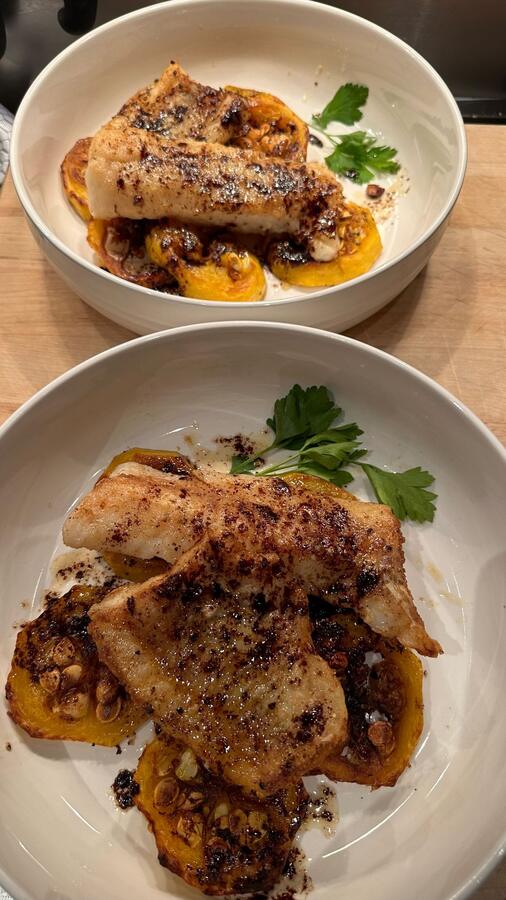
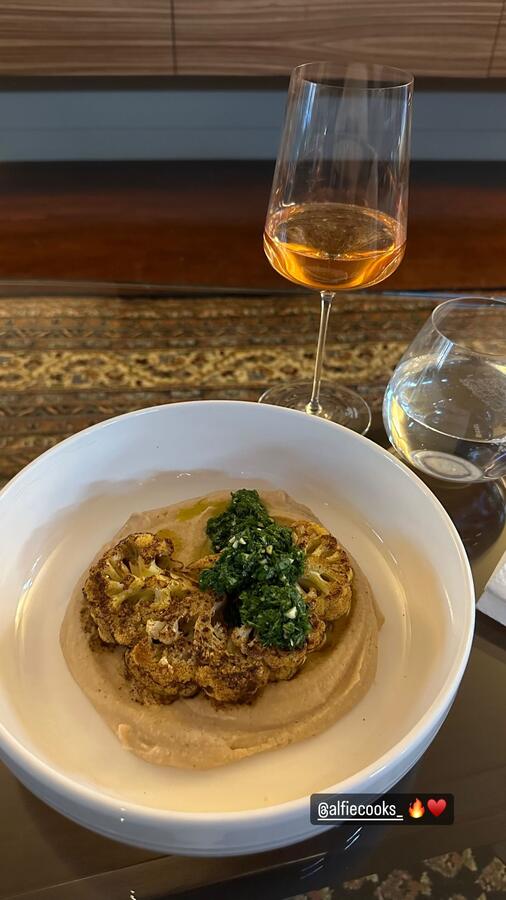
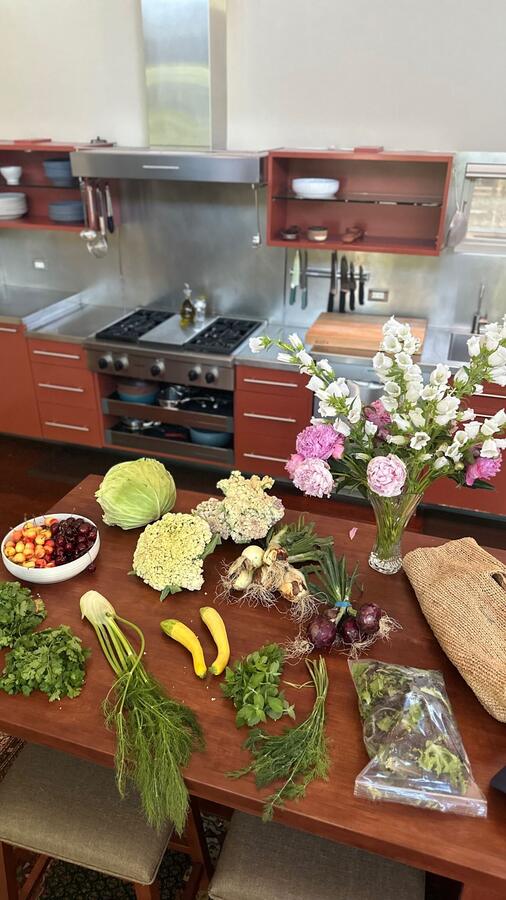
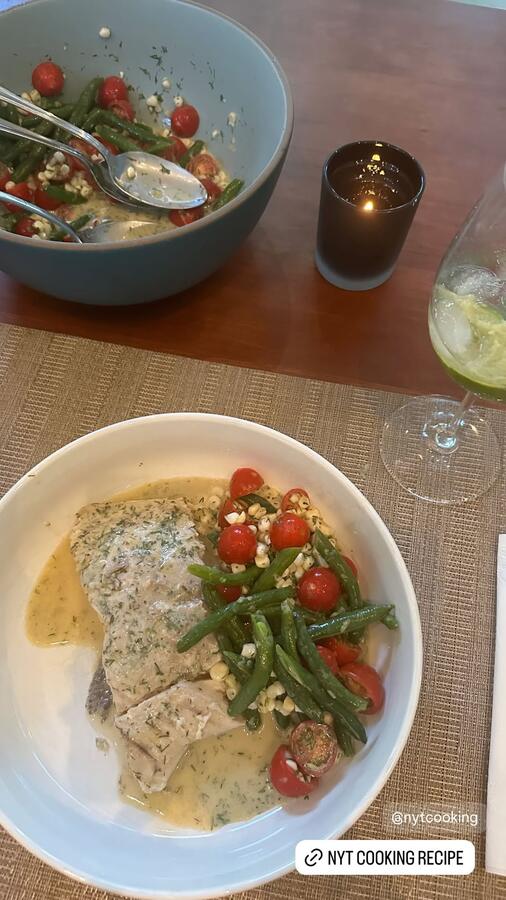
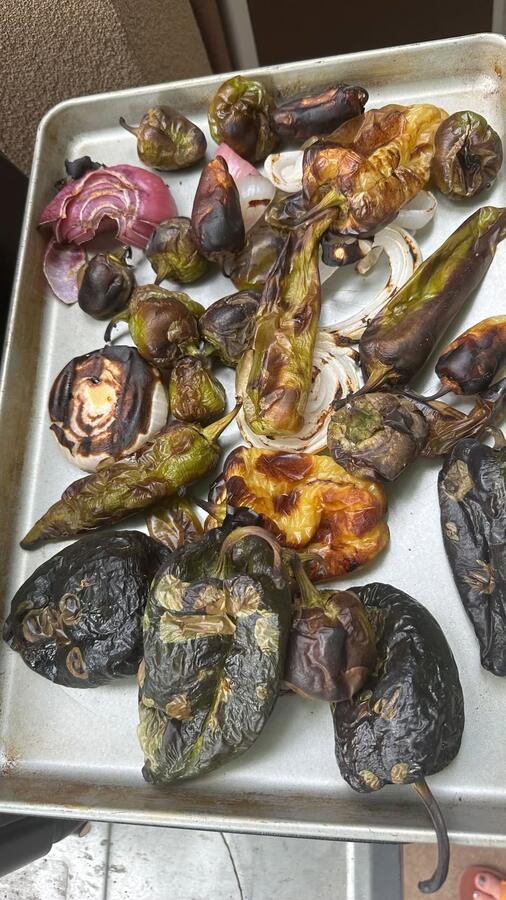
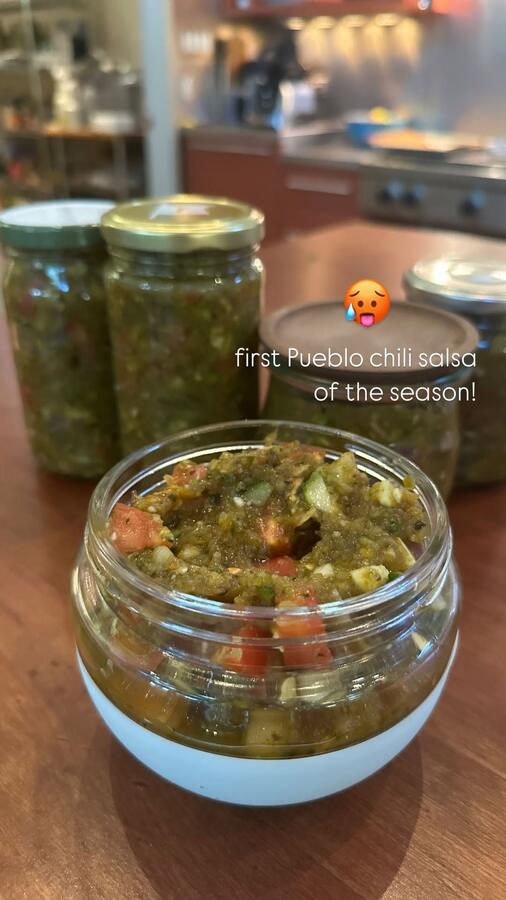
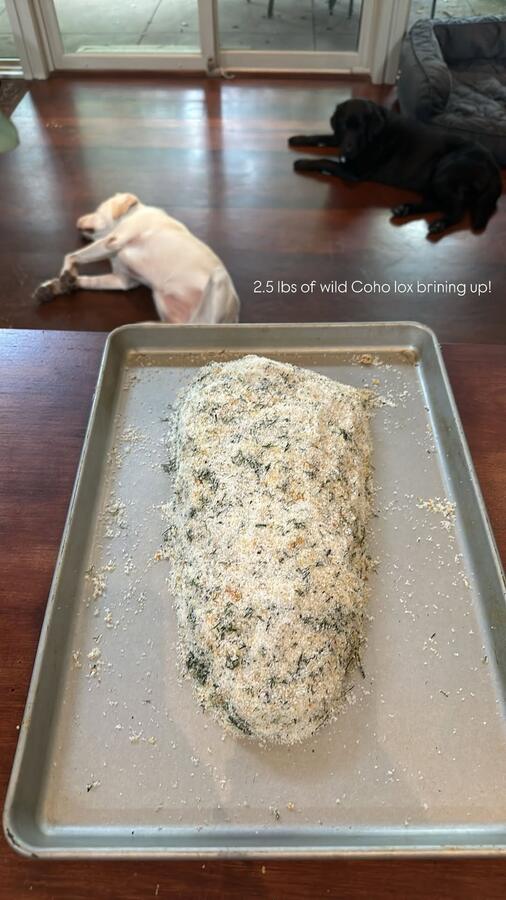
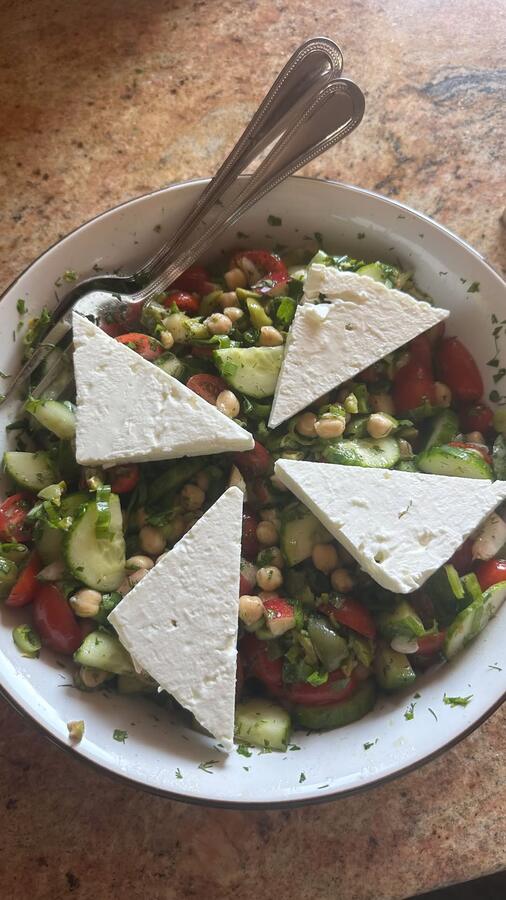
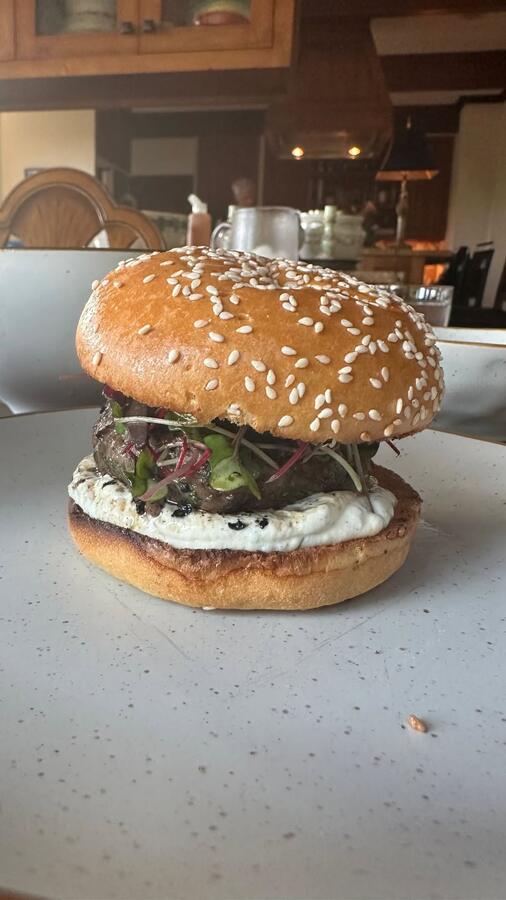
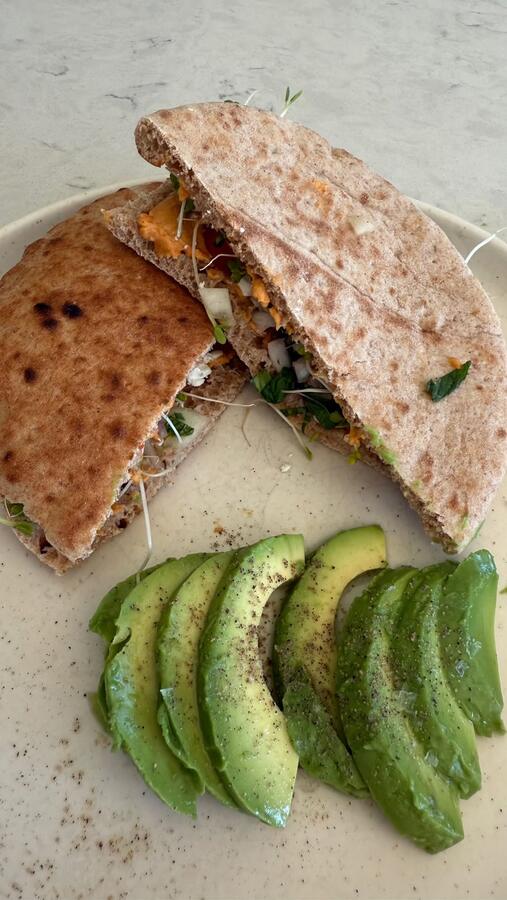
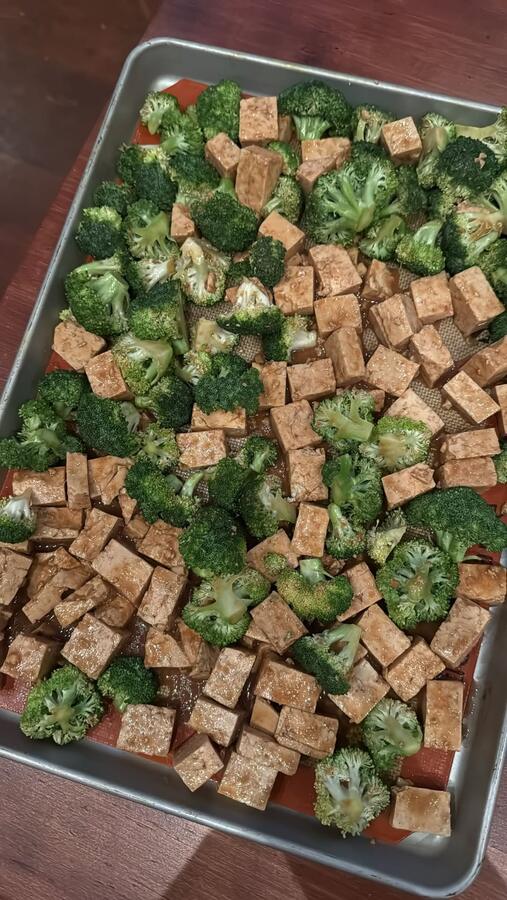
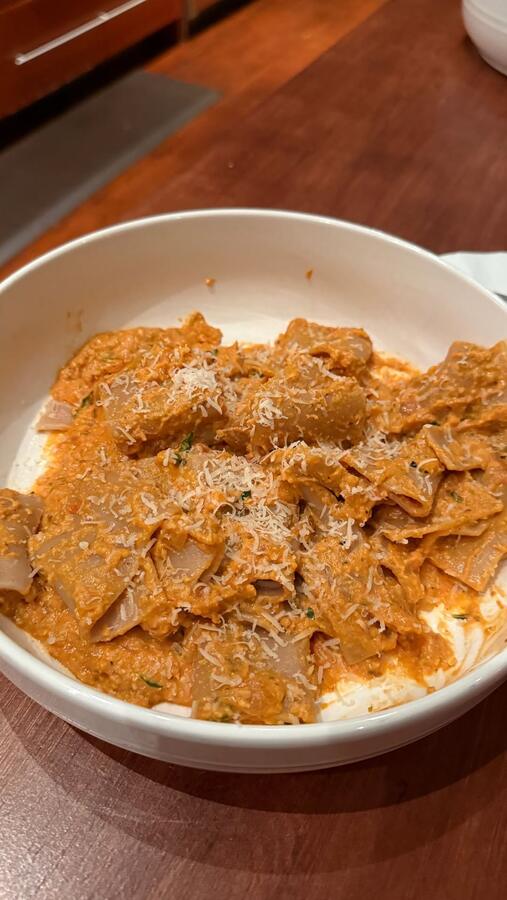
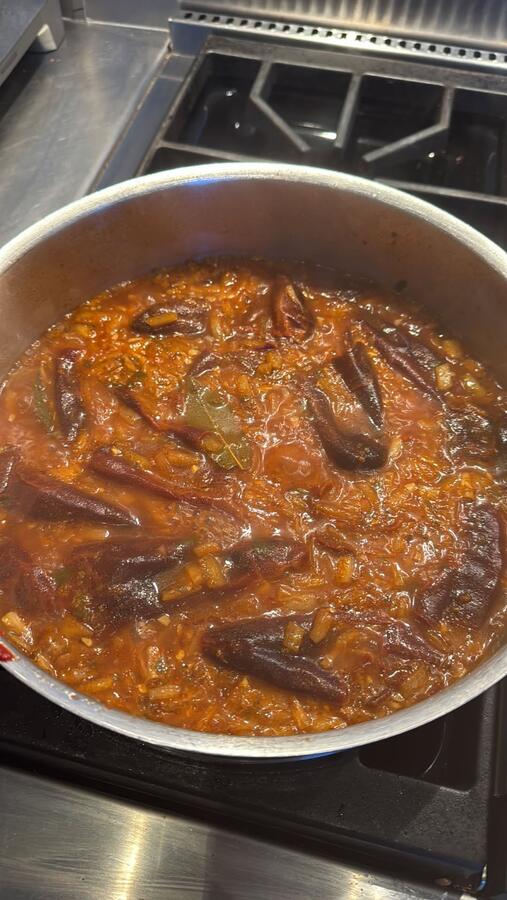
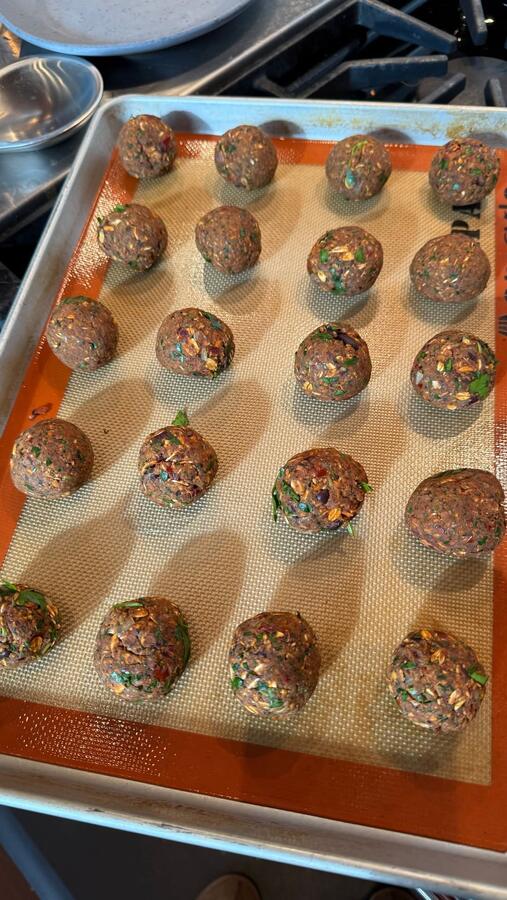
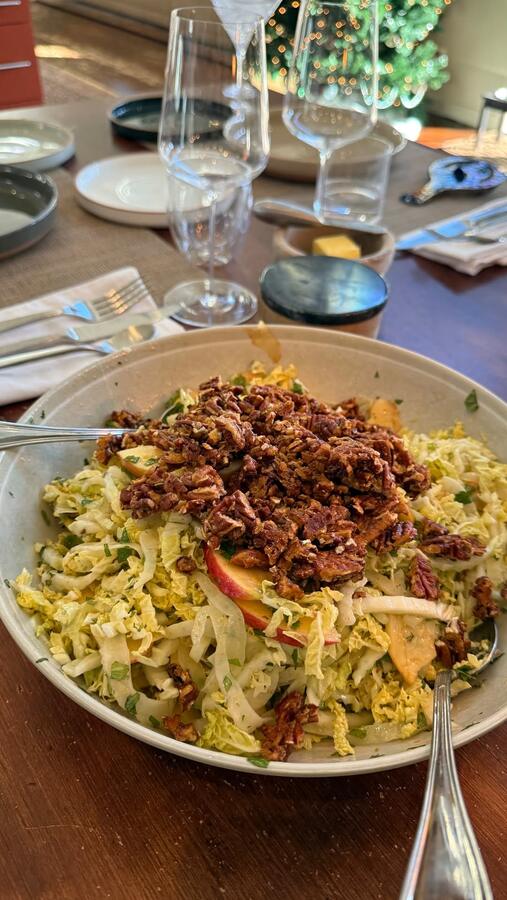
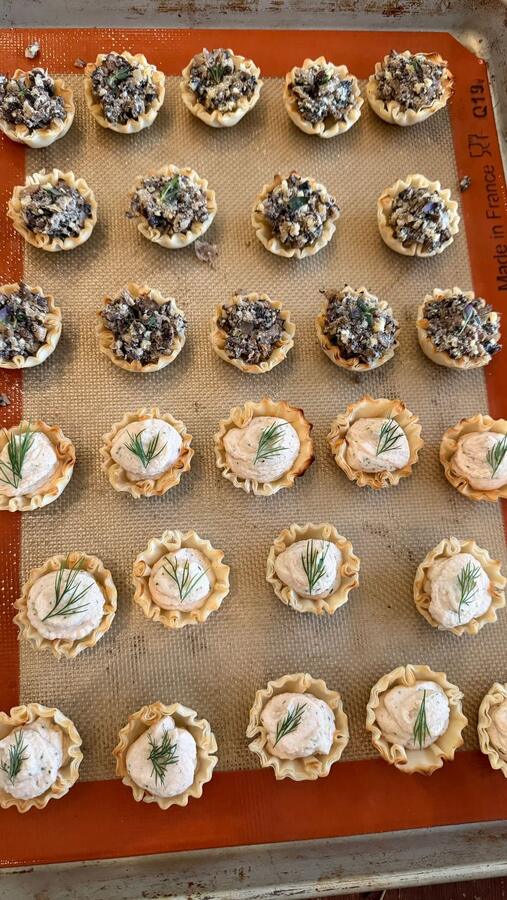
The gap between eating out and eating in has closed. The test for anything I make is whether it could be served somewhere good. That means composition and intent, not assembled calories.
Whole food and plant-based, using Michael Greger's Daily Dozen as the operational checklist rather than a rulebook. Beans three times a day is a constraint that makes cooking more interesting, not less.
Selectivity over restriction. Stop at excellent instead of at full. A restaurant has to offer something I could not or would not make at home to be worth the trip.
The knowledge about what to eat has been settled for years. What was missing was the layer between knowing and doing it consistently: the planning, the inventory, the ordering, the timing, the hundred small decisions that make a week of good food happen. That layer is what I built, and it is the same thing I build at work.
Which is why this section sits next to the one about the company. Same problem, different kitchen.
Open source
The meal-planning layer behind this kitchen is a public template called Cooking with Claude: 40+ tested recipes, inventory tracking, shopping lists, a complete Thanksgiving run with an hour-by-hour timeline, and an MCP server, all in markdown a Claude Code session can operate. Fork it and make it yours.
dmorrill/cooking-with-claude on github → the post that introduced it →
Water boils at about 202°F in Denver instead of 212°F, so beans take longer, bread rises faster, and anything simmered needs more time and a lid. Where altitude changes a recipe, the recipe says so.
Beans take noticeably longer here — water boils at ~202°F instead of 212°F, so there's less heat driving the softening. Learned the...
8-10 mini tartlets · 25 minutes (plus 45-60 minutes if roasting the beet from raw) · Easy
1-2 per block of tofu · 10 minutes · Easy
About 2.5 cups · About 30 minutes with canned chickpeas · Easy
About 2 cups · 10 minutes plus chilling · Easy
Six hours of onions, cannellini beans for body instead of cream, and enough miso and Dijon to carry the savory weight the...
4-6 · About 6 hours, mostly unattended · Easy but long
6-8 · About 70 minutes · Easy
4-6 · Easy
16 (double batch) · About 2 hours · Easy
A bright, strawberry-forward chilled gazpacho. Blend, balance, chill. Great use for berries about to turn.
~1.5 quarts (4 starters / 2 light meals) · Easy
4-6 · 65-75 minutes · Easy-Medium
4 · 35 minutes · Easy
4-6 · 50 minutes · Easy
6 · 50 minutes · Easy
4-6 · 30 minutes · Easy
About 12 cups · About 2 hours (mostly passive) · Easy
4 · 15 minutes · Easy
Three beans + veg with a zesty blended-tomato dressing. Great on its own or tossed with greens.
6–8 servings · Easy
4 · Easy
4-6 as a topping-bar component; 2-3 as a main · 3-3.5 hours · Easy (mostly hands-off)
1 · 15 minutes · Easy (but technique matters)
3-4 · 20-25 minutes · Easy
2 · About 2 hours with purging; about 40 minutes if the clams are already purged · Medium
3 substantial rolls · About 1 hour · Medium
4 · 40 minutes · Easy
2 · 1 hour, plus all-day marinating · Easy
4 · 1 hour 10 minutes · Medium-Hard
2 sandwiches · 25 minutes · Easy
2 · 35 minutes · Medium
4 · Easy
6 burgers · Moderate
6 · 60 minutes · Medium
6-8 · 1.5 hours · Medium
2 · 50+ minutes · Easy
4 · 65+ minutes · Easy
3-4 cups · 40-45 minutes · Easy
6-8 · 2.5-3 hours · Medium
3 sandwiches · 60-75 minutes · Easy
8-10 · 6-8 hours plus overnight chill · Medium
2 generous portions · 40 minutes active, plus 6-8 hours slow cooker · Easy-Medium
4-6 · 40 minutes · Easy
8-10 · 75-90 minutes · Medium
4 · 30 minutes · Easy
4-6 · 45-50 minutes · Medium
2-3 per bunch · 30-35 minutes · Easy
6 cups cooked · 45 minutes · Easy
4-6 as a side · 35-40 minutes · Easy
Kevin's grandmother made cinnamon rolls. Nobody has her recipe card. I baked version one, he tasted it, and he remembered the thing...
6 rolls · Overnight, plus about 2 hours in the morning · Hard
About 4 cups · 25-30 minutes · Easy
4 rolls · 2.5-3 hours · Medium
4 rolls · 2.5-3 hours · Medium
1 large pizza or 2 medium pizzas · 45-60 minutes (including baking) · Easy
4 rolls · 3-3.5 hours · Medium
12 mini canapés · 45 minutes (can be split across 2 days) · Medium
15 rolls · 3.5-4 hours · Medium
2 large 18-inch pizzas · About 2 hours · Easy
6-8 mini puddings · 25-30 minutes (plus 30 minutes to overnight rest) · Medium
About 6 cups · 50 minutes · Easy
About 1 cup (4 sandwiches) · 15 minutes · Easy
About 3/4 cup · About 15 minutes · Easy
About 1 cup · Easy
About 3 cups · 60-70 minutes active (plus 8-12 hours maceration) · Easy
About 1 cup (4-6 servings) · 40 minutes (longer if roasting the beet from raw) · Easy
About 6 cups (12-14 portions) · 40 minutes · Easy
1 cup (4-6 servings) · 65 minutes · Easy
About 1 cup · 35-45 minutes · Easy
~2 cups · 65-75 minutes · Easy, mostly hands-off
1 quart jar · 15 minutes active, plus 24+ hours chilling · Easy
1 to 1.5 cups · About 1 hour · Easy
About 2/3 cup · 5 minutes · Easy
About 1 cup (250g) · 10 minutes active, plus 5-7 days fermenting · Easy
About 2 1/2 cups · 15-25 minutes active (or 1-2 hours with soaking) · Easy
About 2 cups (6-8 servings) · About 1 hour · Easy
About 1/2 cup · 5 minutes · Easy
2 disks (2 single-crust pies or 1 double-crust pie) · 1 hour 15 minutes · Medium
8 · About 1.5 hours active, plus 2 hours cooling · Medium
One 6-inch cheesecake (6-8 slices) · 4 hours (30 minutes active) · Easy
16 · About 1 hour plus cooling · Easy
About 2 lbs (24-36 pieces) · 2.5-4.5 hours (15 minutes active) · Easy
About 70 pieces (fills a 13x9 pan) · 2.5-4.5 hours · Medium
9 brownies · 2 hours · Medium
12 rolls · About 3 hours, plus overnight rest · Intermediate
18-24 cookies · 50+ minutes (including chilling) · Easy
One double crust (top and bottom) · Easy
One double crust (top and bottom) · Easy
1 cocktail · 5 minutes · Easy
Writing
Cooking with an AI sous chef, culinary wanderlust, and what happens when you point a systems habit at dinner.
Read the food writing